Carlos Pollock de Souza Costa

Open menu

About

The boat and the beginning

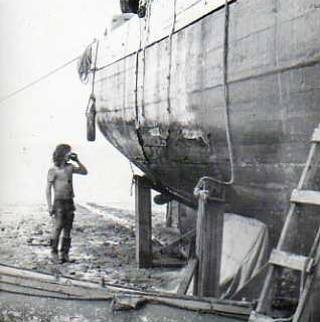
In 1982, when I was eighteen, I left home in Icaraí and went to live in Salvador. I stayed aboard the Golden Harvest, a wooden sailboat under refit in the Baía de Itapagipe, opposite the Lobato favela. There was no electricity to run machines. From the first day I worked in boat carpentry using only hand tools: axe, adze, auger, chisels and hammer.

It started by chance. I discovered my love for heavy physical work and for wood, a craft that has been with me for over forty years.

I left Bahia after eighteen months. The return to Rio was by sea aboard the Spaciba, sailing slowly along the Brazilian coast.
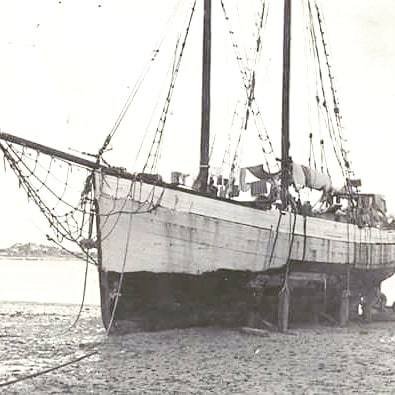
  • Wooden hull of a sailing boat supported on sand at low tide in black and white.
  • A figure standing beside the wooden hull of a boat supported on the sand.

Origins and family

I was born in Rio de Janeiro on 6 May 1963. I grew up in Urca, Laranjeiras and Santa Teresa in a bilingual home where Portuguese and English were spoken naturally. My mother, Jeremy Eleanor Pollock, was American. My father, Orlando Luiz de Souza Costa, was a Brazilian sculptor and designer.

Art was everywhere. There were paintings and prints in the house by my maternal grandfather, the American painter Charles Pollock, and news came of his brother Jackson Pollock, my great-uncle. From the age of nine to fifteen I lived in Los Angeles before returning to Brazil.

Carpentry and travel

In Rio de Janeiro during the 1980s, I studied lithography at Parque Lage, taught English in the city centre, and worked in graphic design at a silkscreen shop. In 1985, I decided to study boat carpentry at the WoodenBoat School in Maine. I had no money for a flight, so I looked for rides at Marina da Glória. I reached New York by sea after three months on nine sailboats.

In Boston, I worked as a carpenter in building construction. To escape the winter, I bought a van and drove across the country to Monterey, California, with a friend, carrying my tools and windsurf gear on top. Later I crossed the continent again by motorcycle to Sacramento and lived for nearly two years in Lahaina, Hawaii. In the United States, I worked in three trades: home building and renovation, wooden boat building, and furniture making.

The mountain workshop

My workshop is in the Serra da Bocaina, between Paraty and Cunha, beside a river. The quiet is what makes the work possible. I have the peace to work, although it keeps me far from the art market.

I make each piece alone, from start to finish. Reusing wood from boats, old furniture and salvaged objects is one of the main pillars of my work. My main material is marine plywood, chosen for its versatility. I also make my own boards in a vacuum press, reaching a balance of strength and lightness that solid wood cannot give.
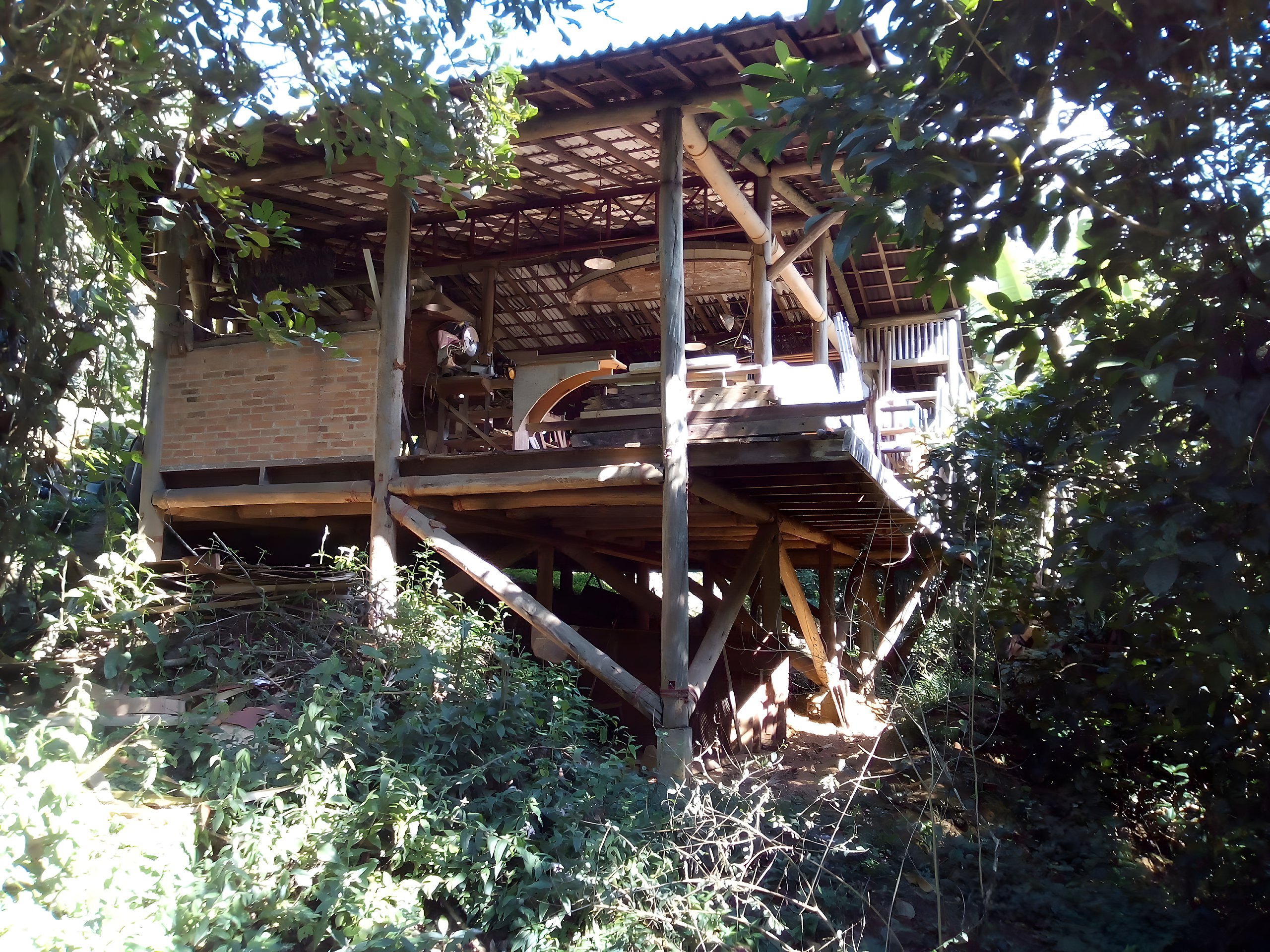
Timber workshop raised on stilts surrounded by mountain forest under natural daylight.
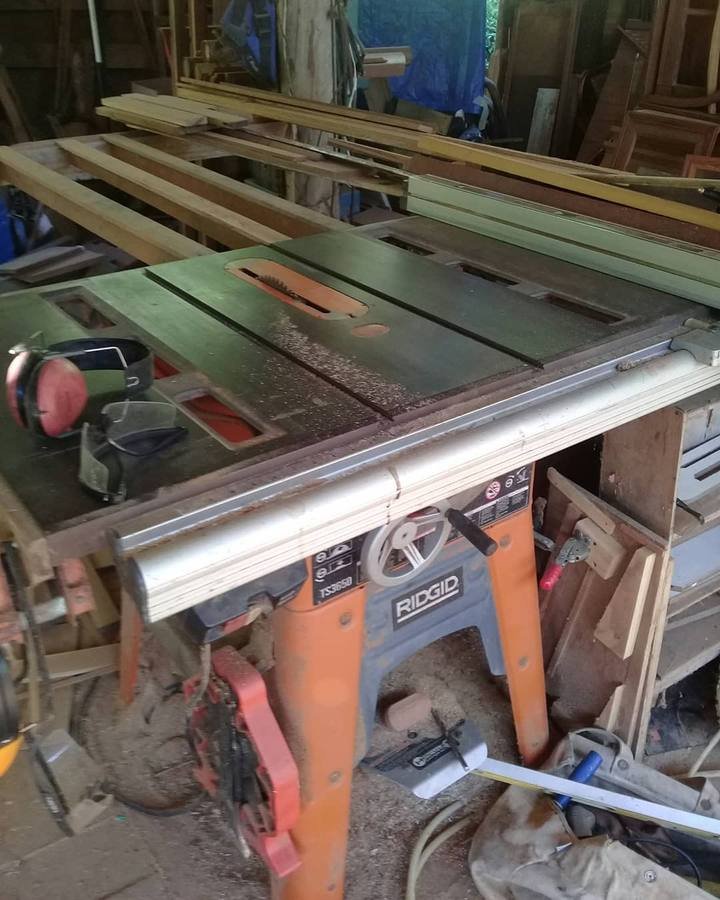
  • A table saw with wooden boards and ear defenders inside a workshop.
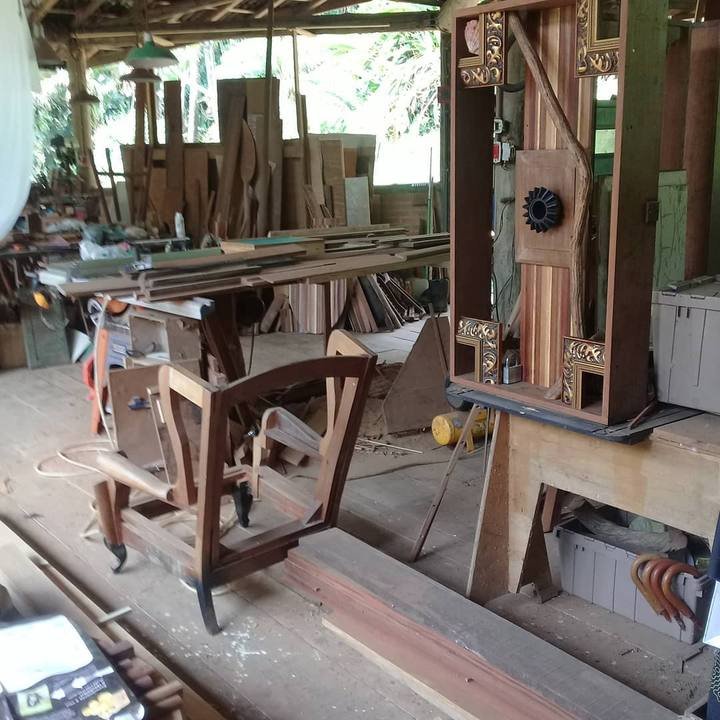
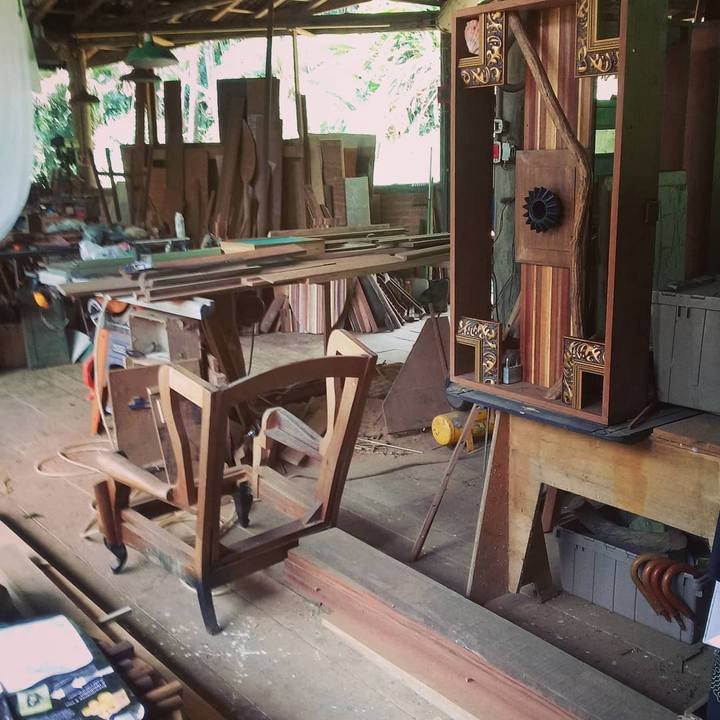
  • Workshop interior showing an unfinished wooden chair frame and a sculptural box on a bench.
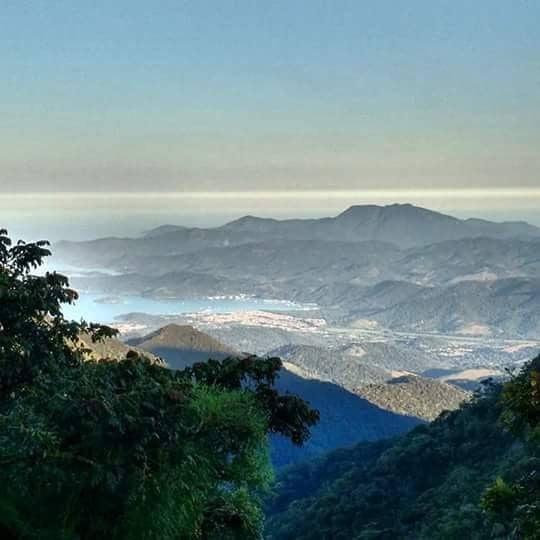
  • Wide view of forested mountains with the sea and coastline in the distance under clear sky.
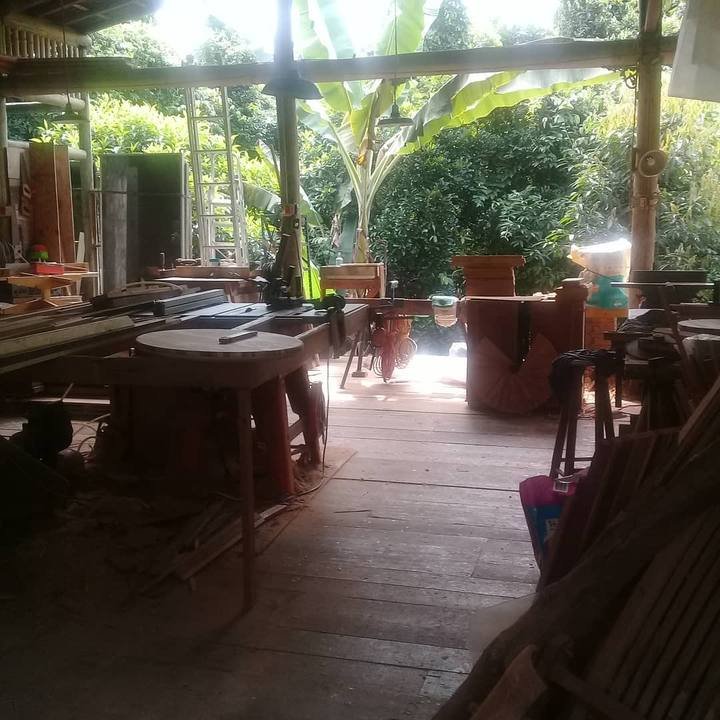
  • Open woodworking workshop floor with saws and benches looking out onto green foliage.
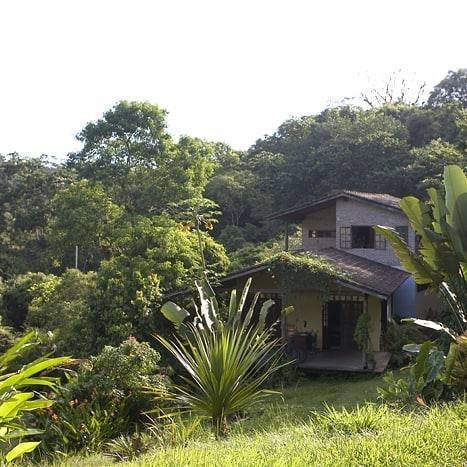
  • Two story house surrounded by trees on a mountain slope seen across grass.
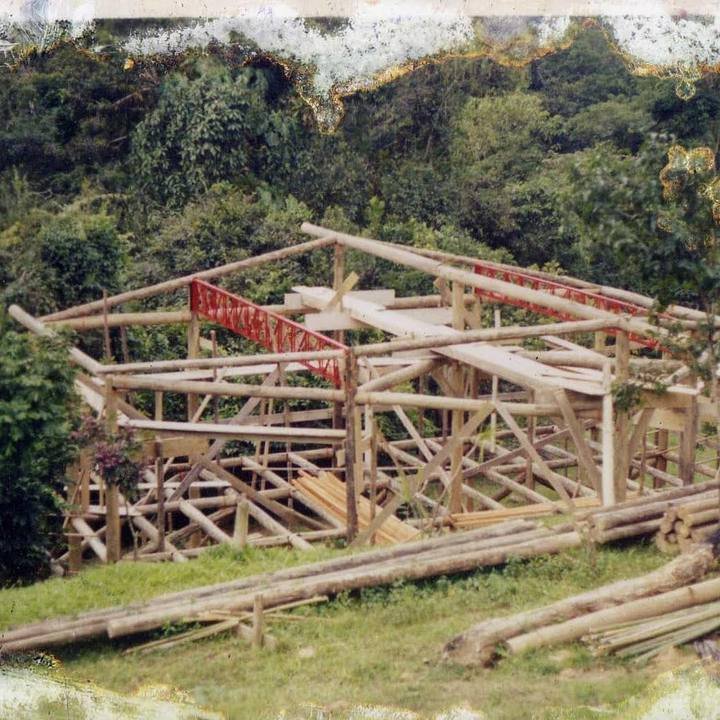
  • Timber frame of a workshop under construction on a hillside with logs in the grass.
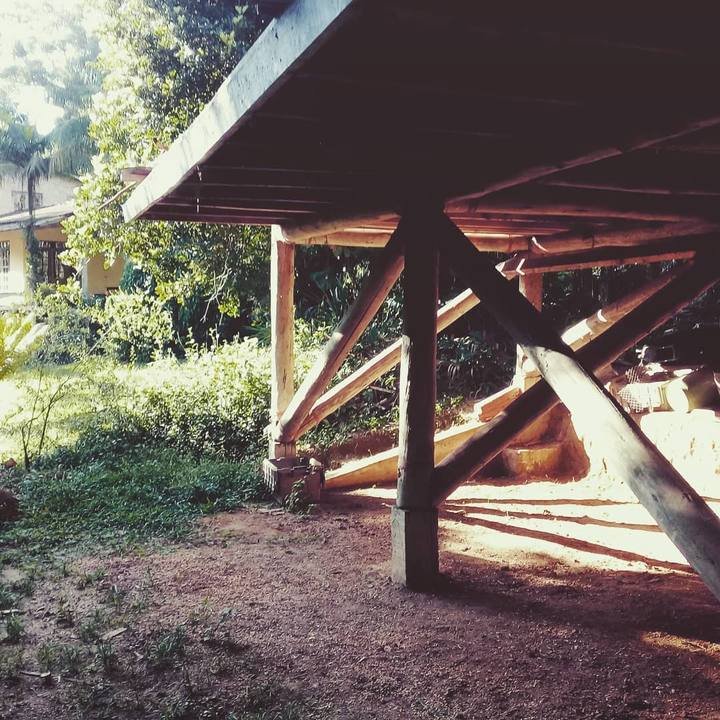
  • Space beneath the workshop platform showing heavy diagonal timber posts and dirt ground.
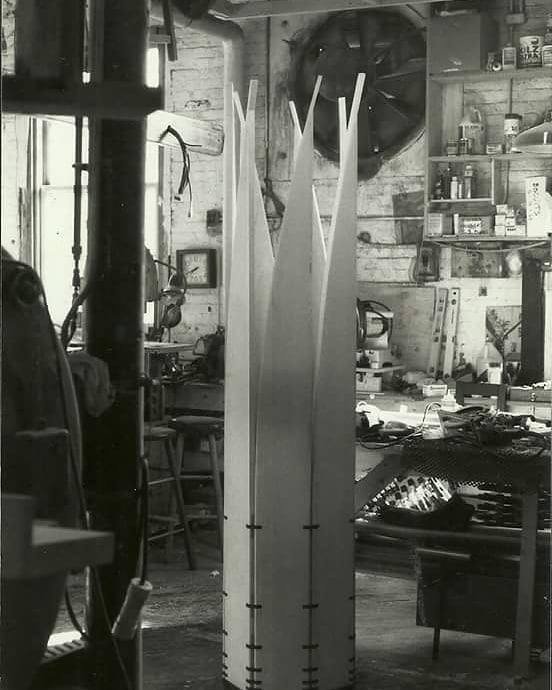
  • Tall standing mobile sculpture with pointed wood panels standing assembled in a studio.
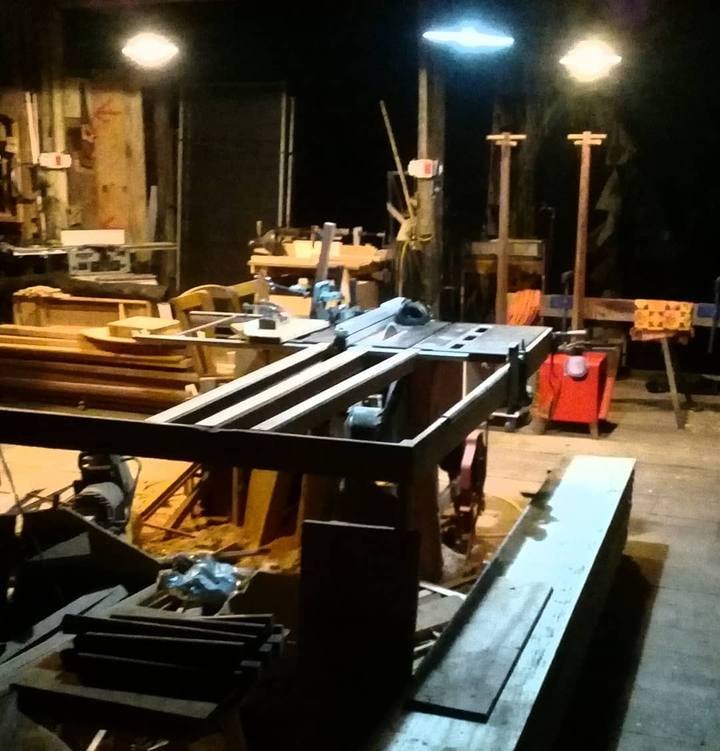
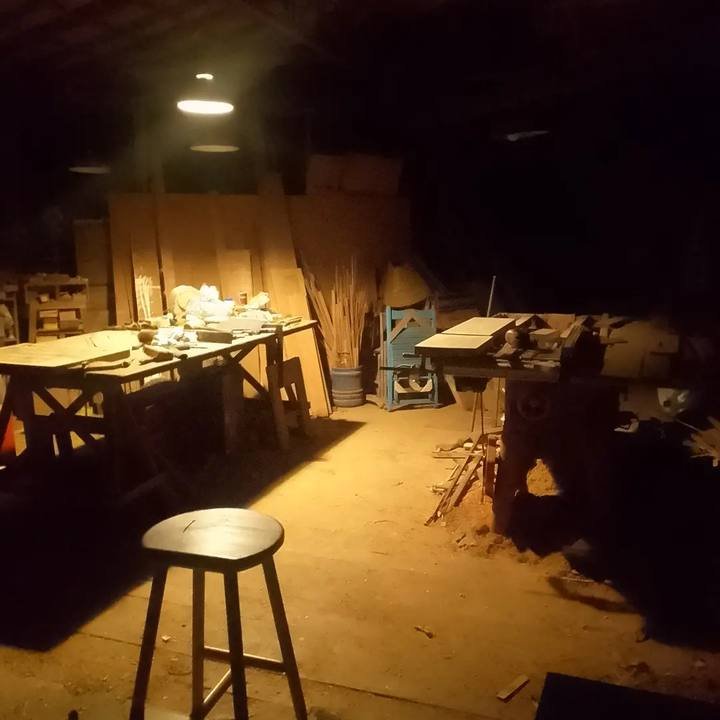
  • Woodworking workshop at night showing machinery, table saw and timber under overhead lamps.
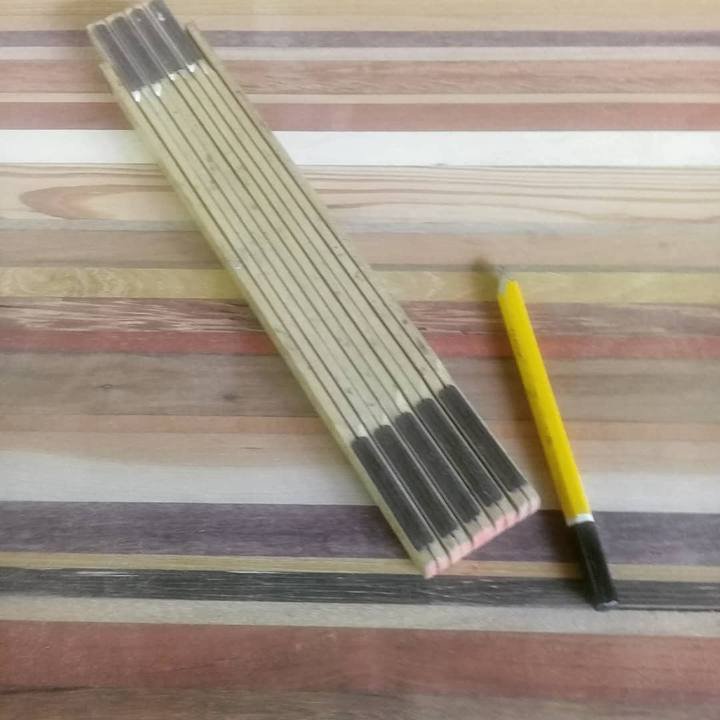
  • A folded wooden ruler and a yellow pencil rest on a surface of multicoloured wooden strips.
  • The workshop interior with an unfinished wooden armchair frame, a vertical box sculpture, and timber planks.
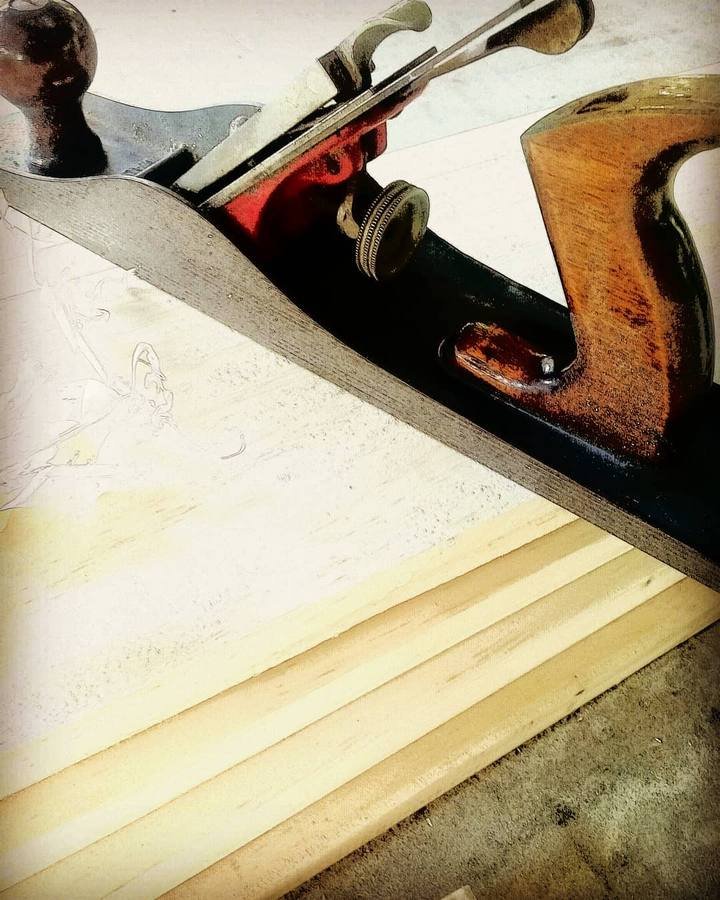
  • A metal and wood hand plane rests diagonally across light wooden strips.
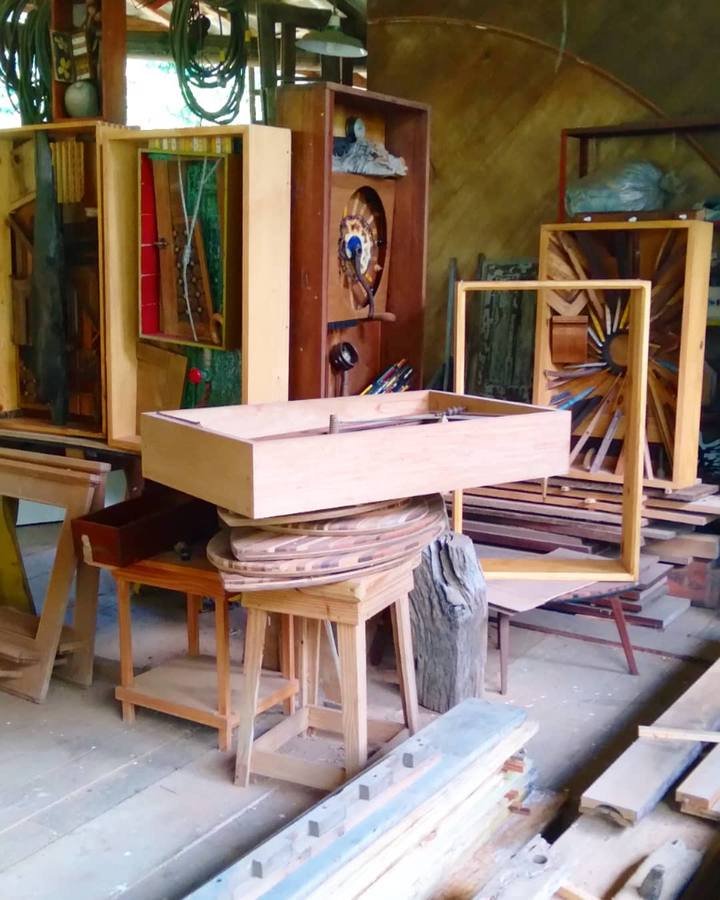
  • Wooden boxes on trestles and stands surrounded by wooden reliefs and timber inside the workshop.
  • The workshop at night under an overhead light showing a workbench, tools, machinery, and a stool.
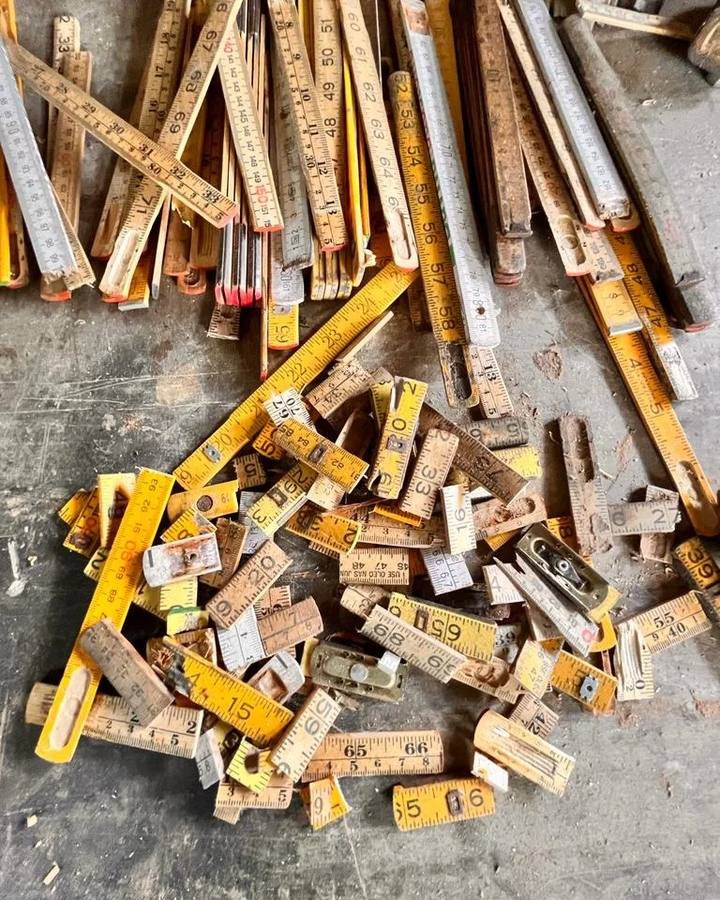
  • Cut fragments of yellow folding rulers and wooden measuring sticks scattered on a concrete floor.
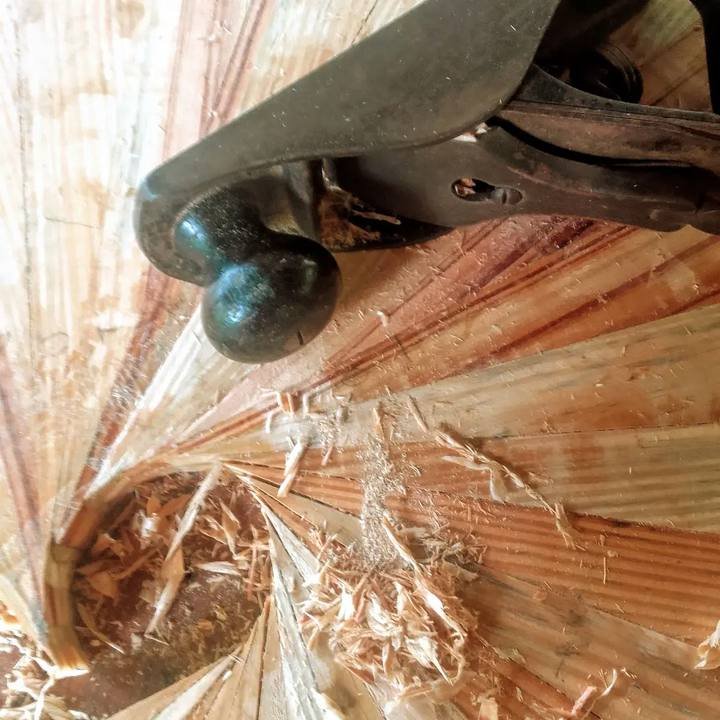
  • A hand plane shapes a radial wooden surface covered with fine wood shavings.
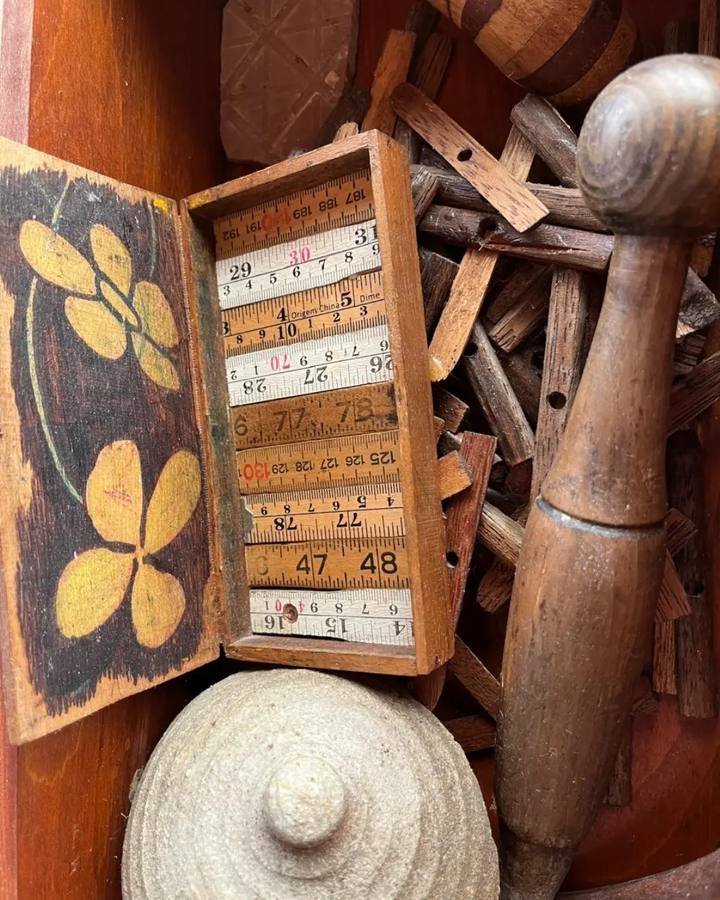
  • Open drawer with small wooden scraps, a small box with folding rulers, and turned wooden parts.
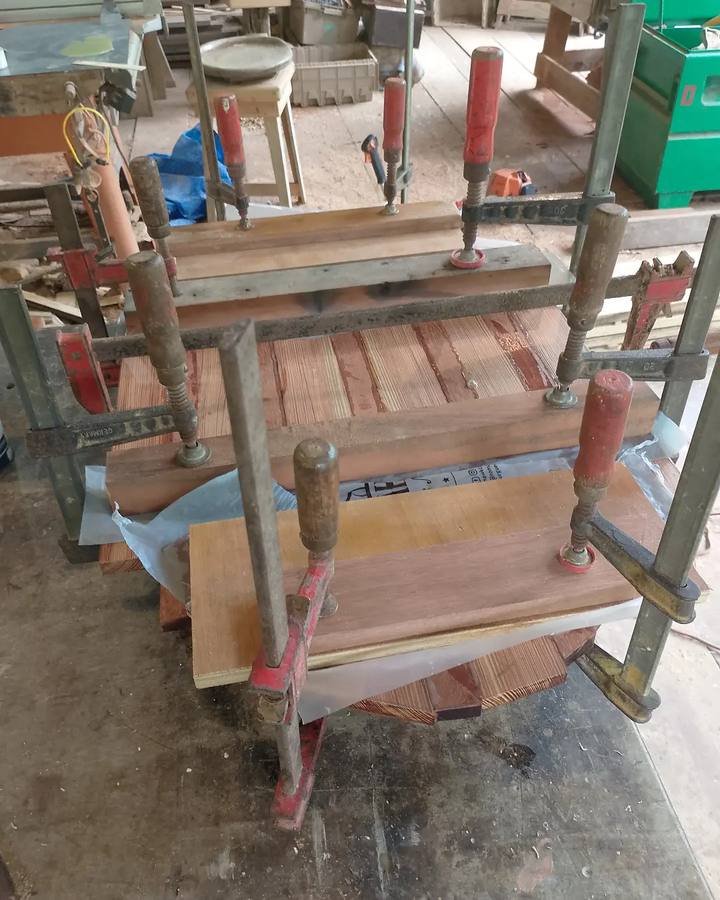
  • Wooden slats pressed together with metal clamps on a workshop table.
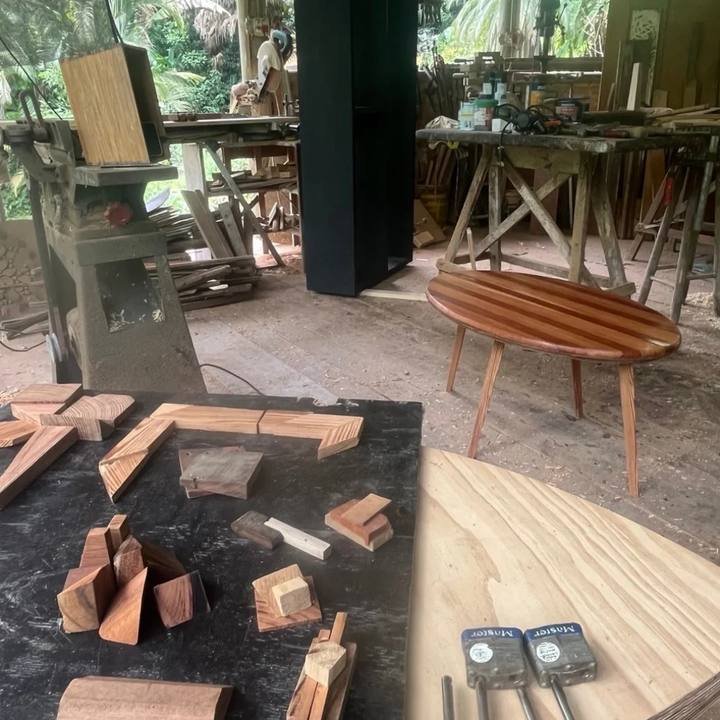
  • Woodworking workshop with cut blocks of wood, machinery, and a small oval wooden table.
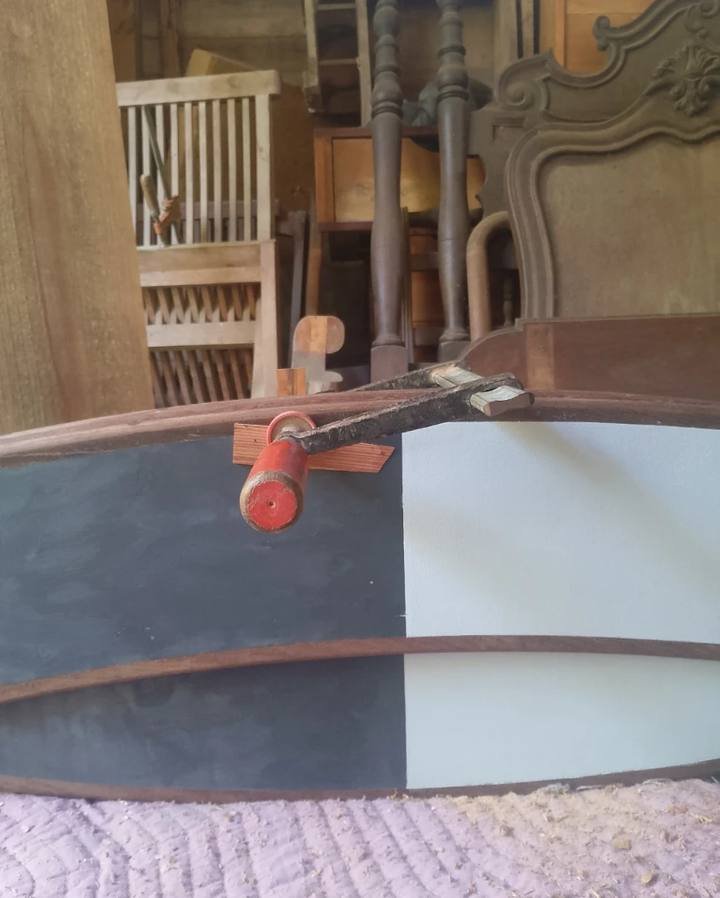
  • Curved wooden piece with a black and white surface held by a clamp.
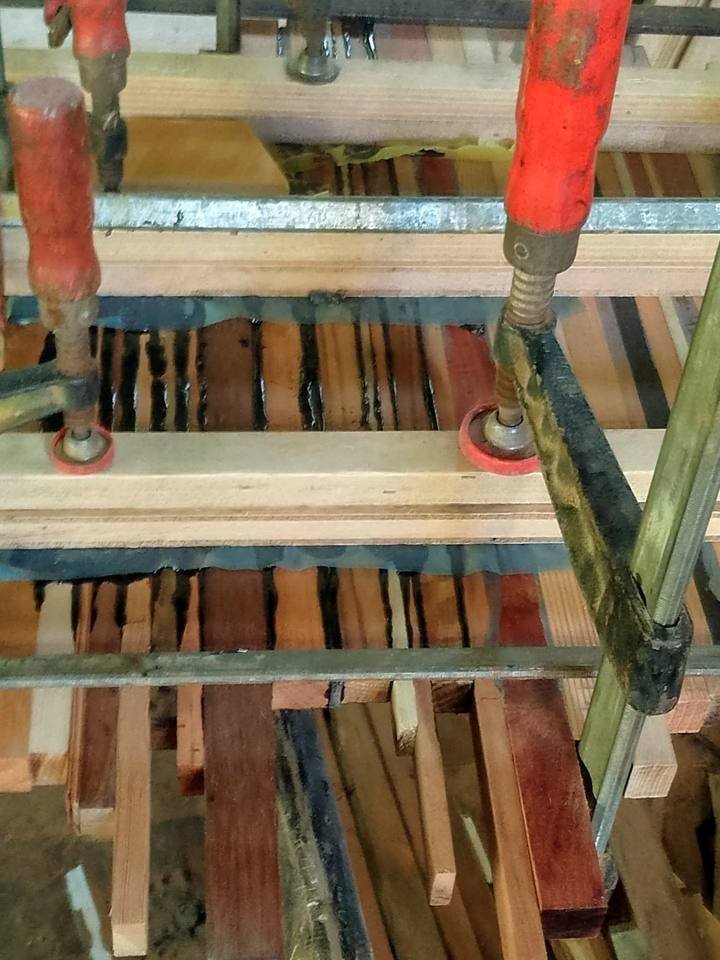
  • Close view of wooden slats glued together under pressure from several clamps.
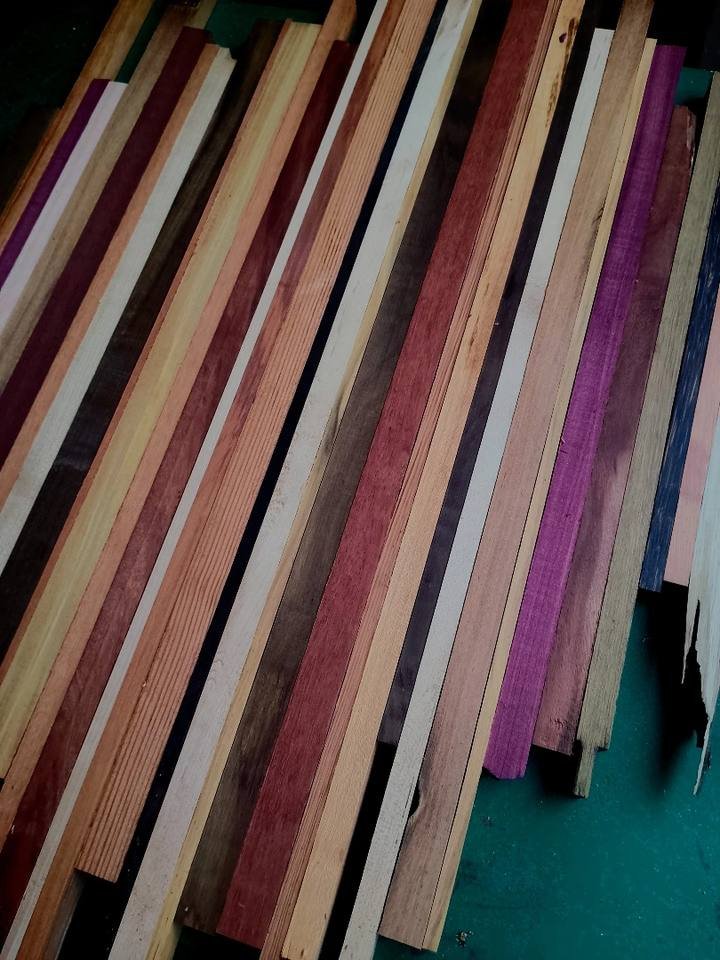
  • Row of long wooden strips in various tones and natural colors leaning side by side.
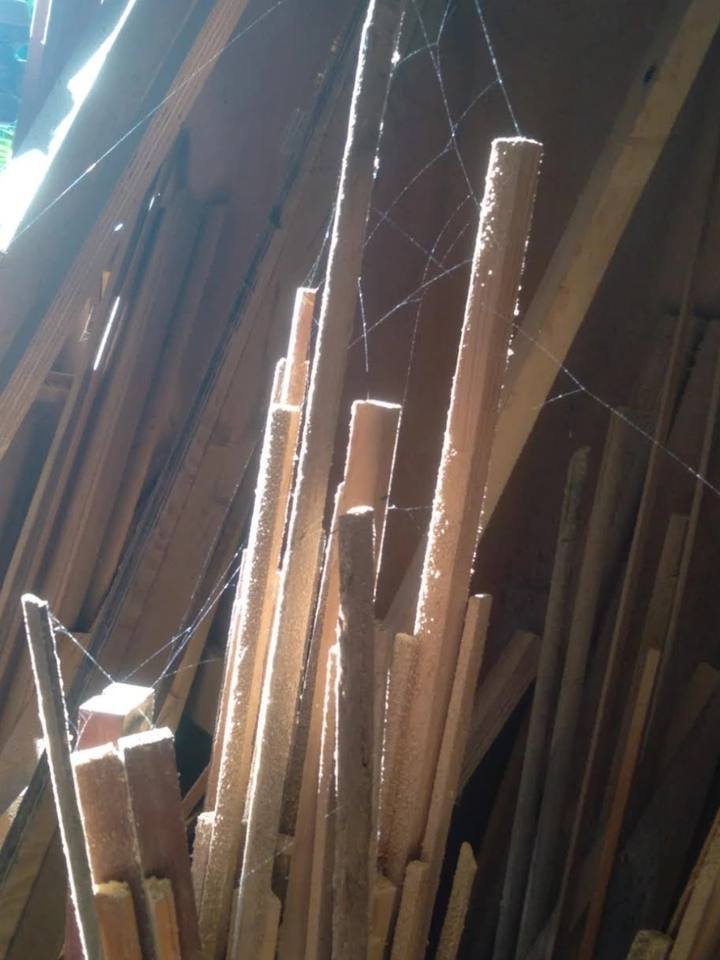
  • Thin wooden slats standing against a wall with spider webs catching sunlight.

The mobile sculpture

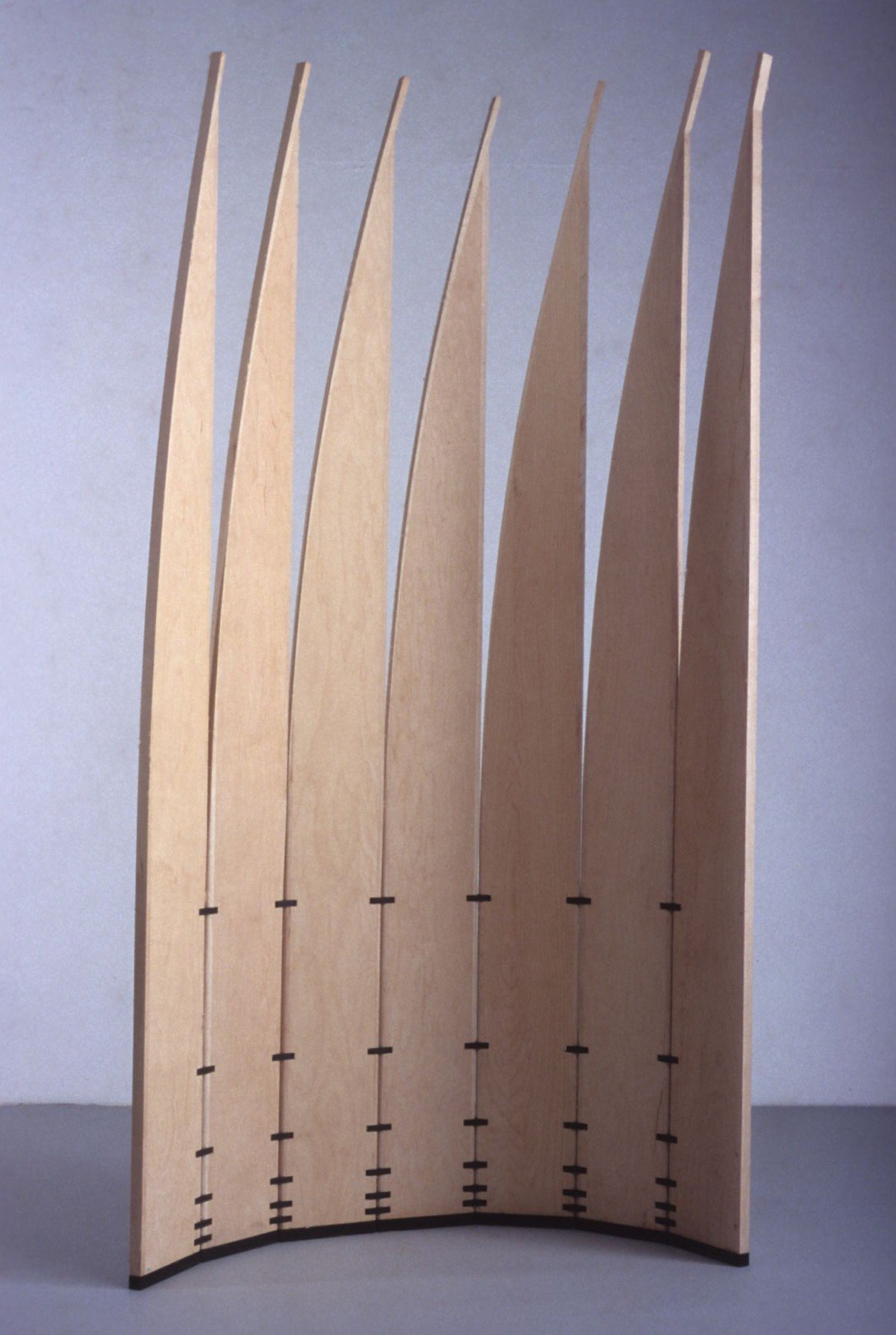
The large hinged pieces are mobile sculptures. They are furniture, sculpture and design at the same time. They are made to be handled and rearranged by their owners. With a single movement, something new appears.

I also make the boxes. The first was an old codfish crate that I was given. I watch the boxes for days before working on them. I listen to them.
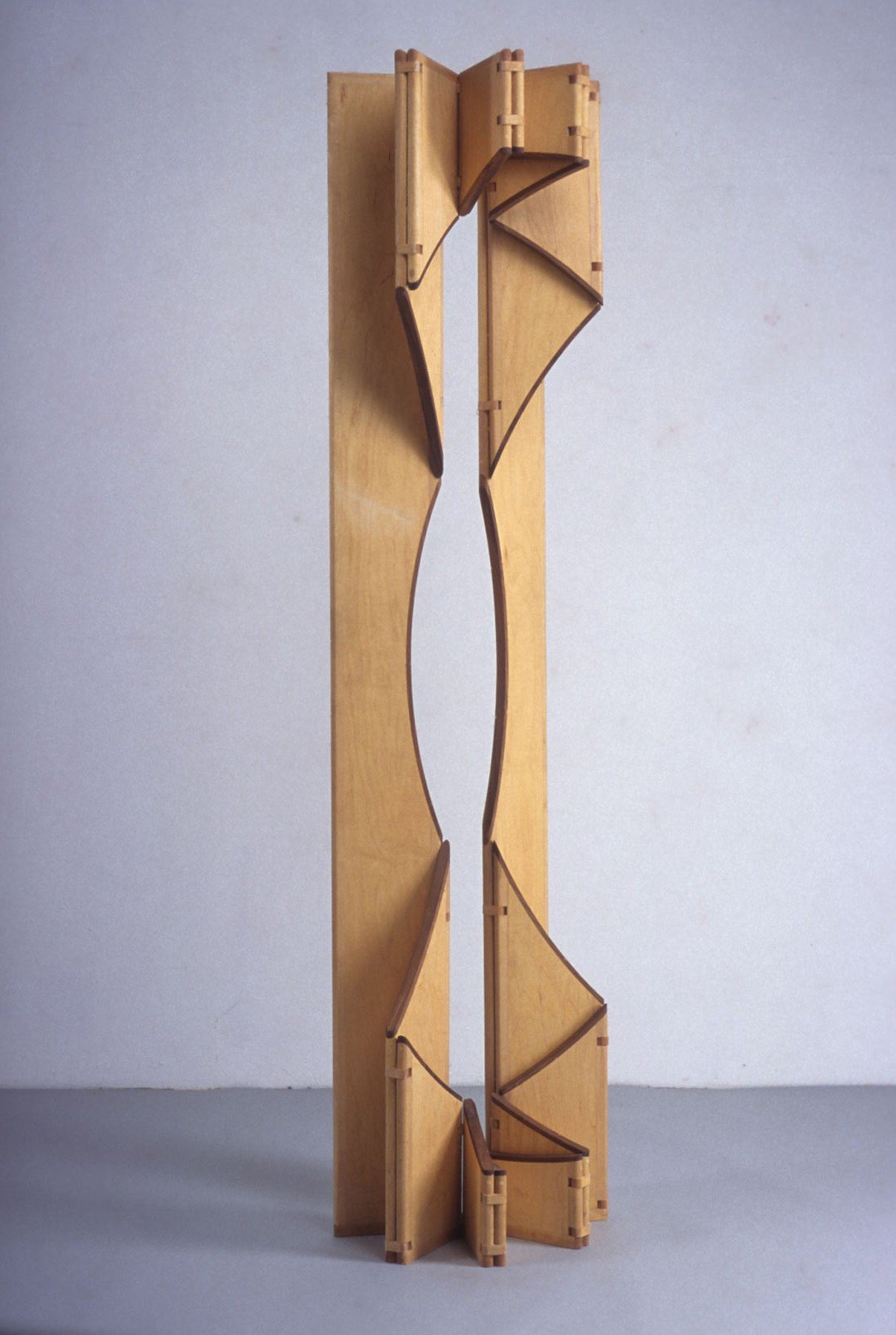
  • Light wood mobile sculpture with vertical articulated parts and a central opening on a grey floor.
  • Curved wood mobile sculpture with pointed vertical sections spread open against a grey background.
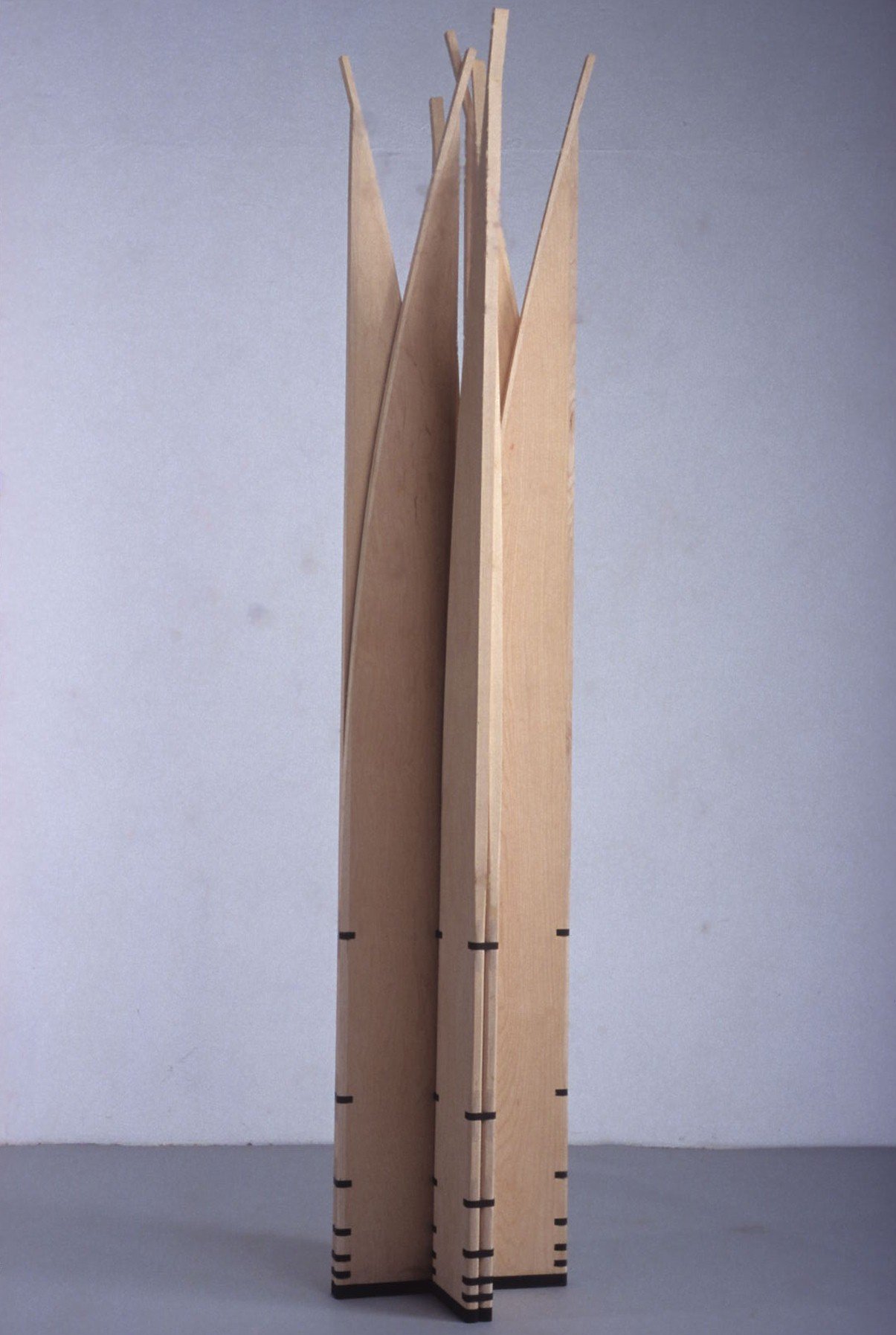
  • Mobile sculpture of pointed vertical wooden sections gathered into a closed upright column on a grey floor.
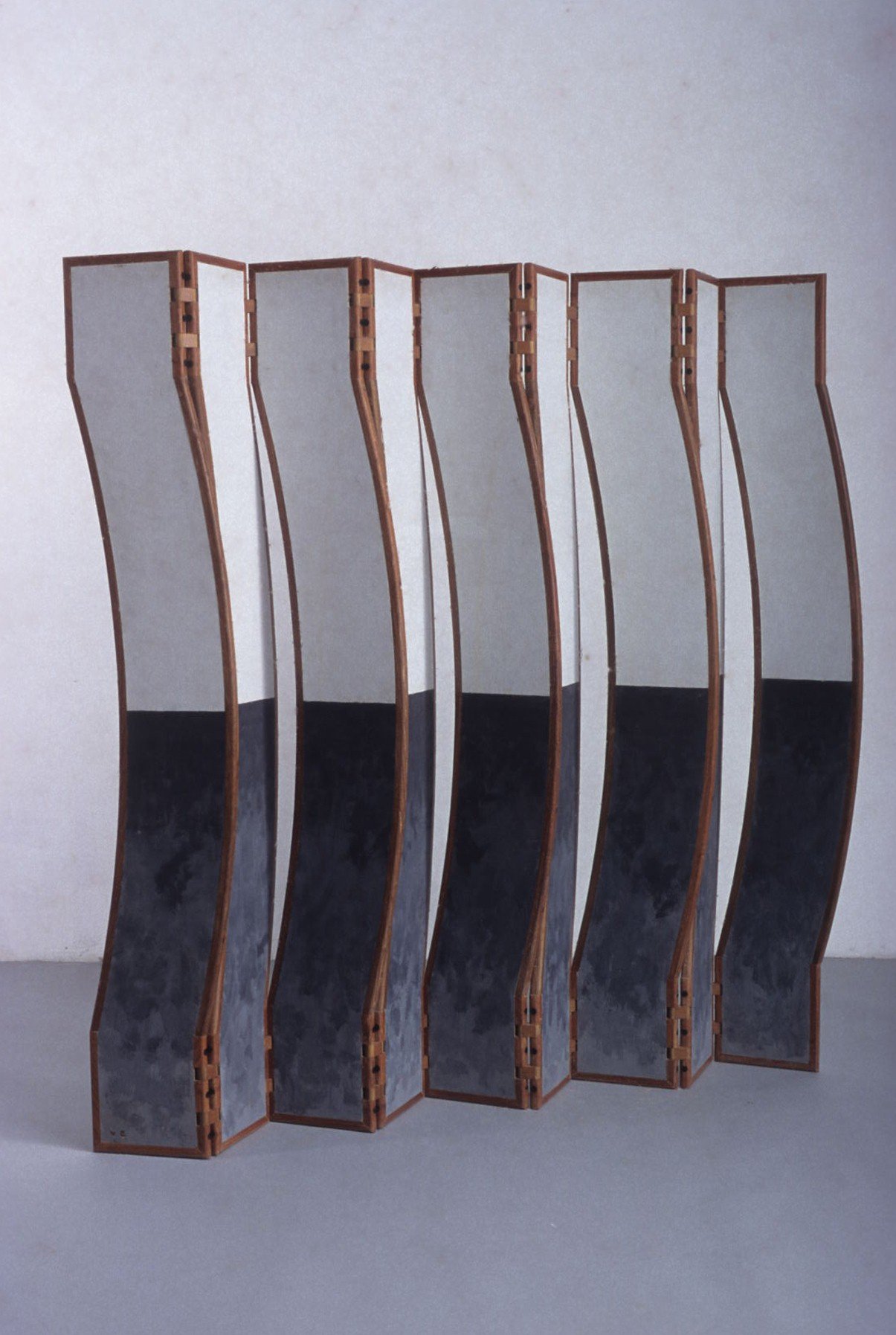
  • Mobile sculpture with sinuous vertical panels divided into white and black halves standing on a grey floor.
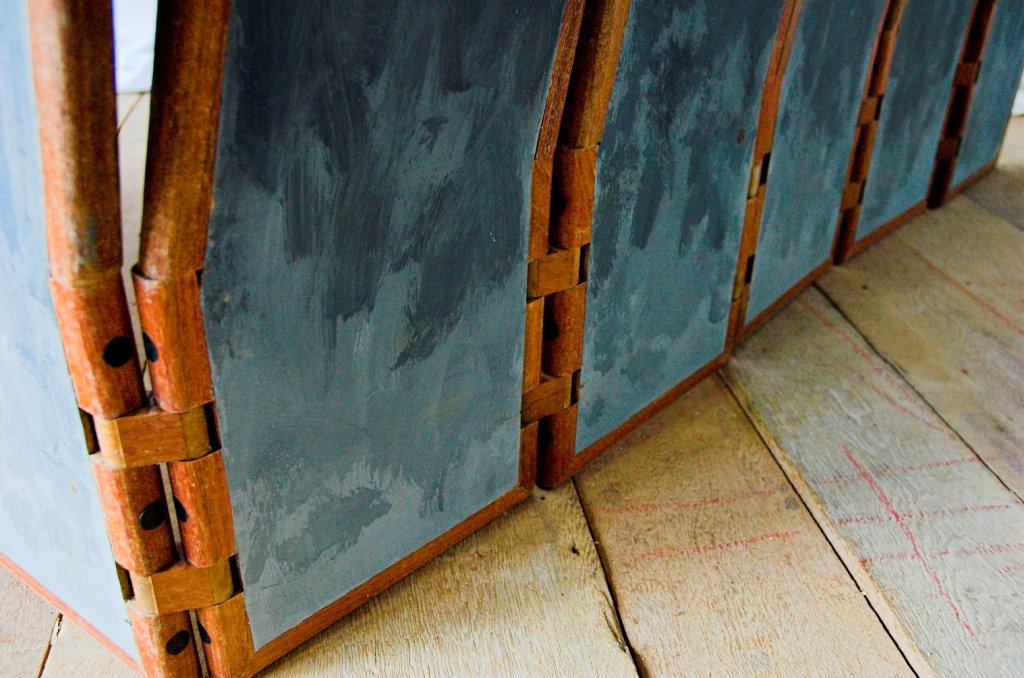
  • Lower detail of the mobile sculpture Fêmea showing wooden hinges with brass fittings and grey paint on the wood.
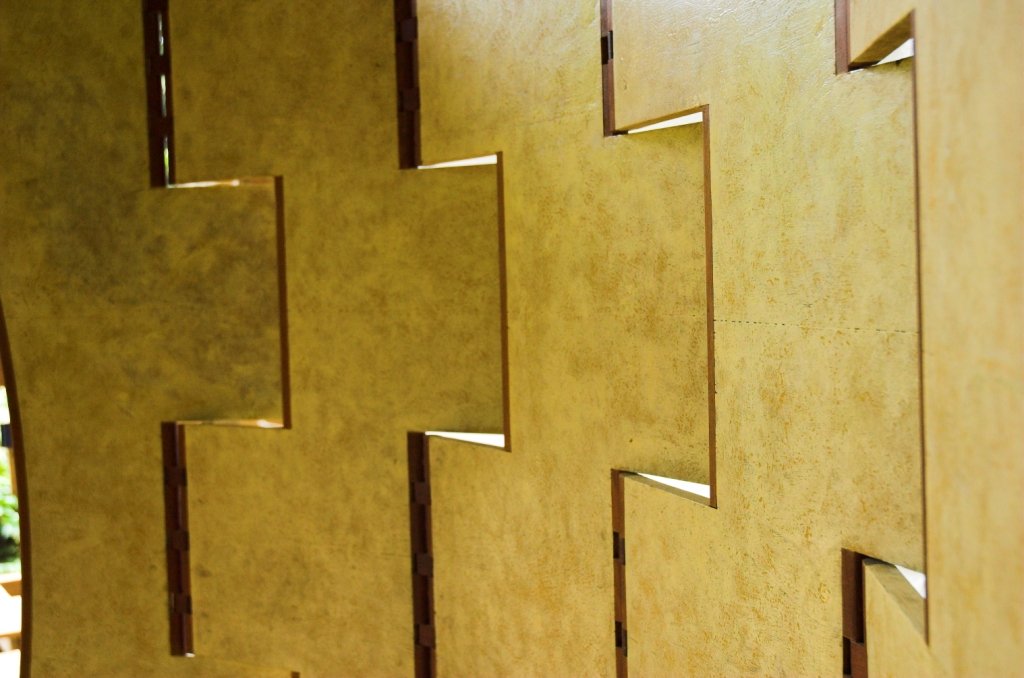
  • Close detail of the hinges and angular cutouts of the mobile sculpture Macho.
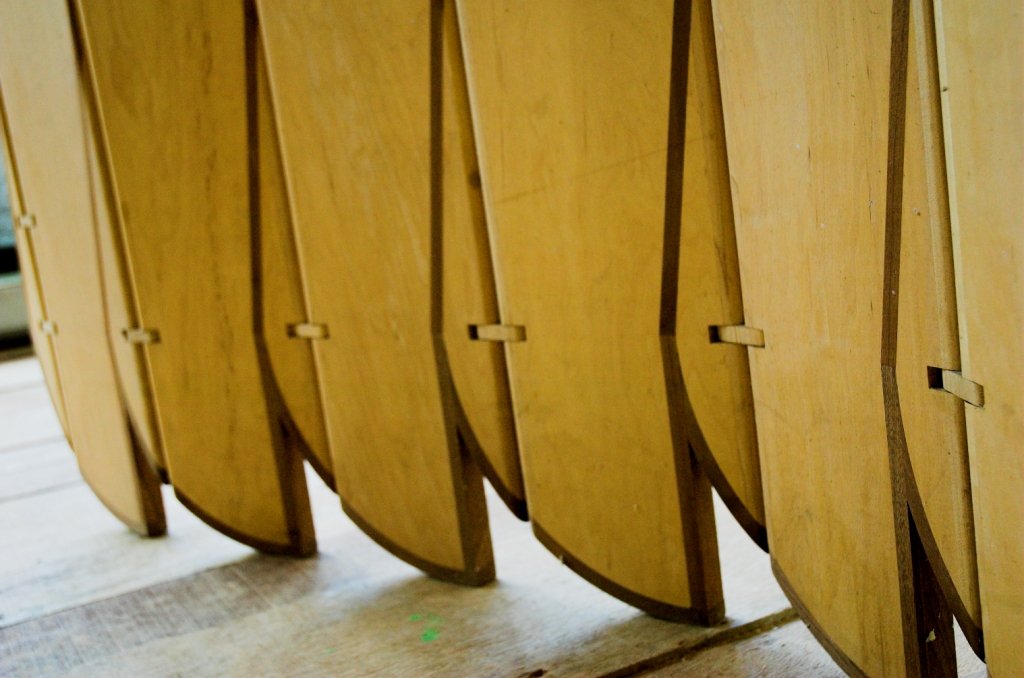
  • Detail of the base of the mobile sculpture Onda showing articulated joints resting above the floor.
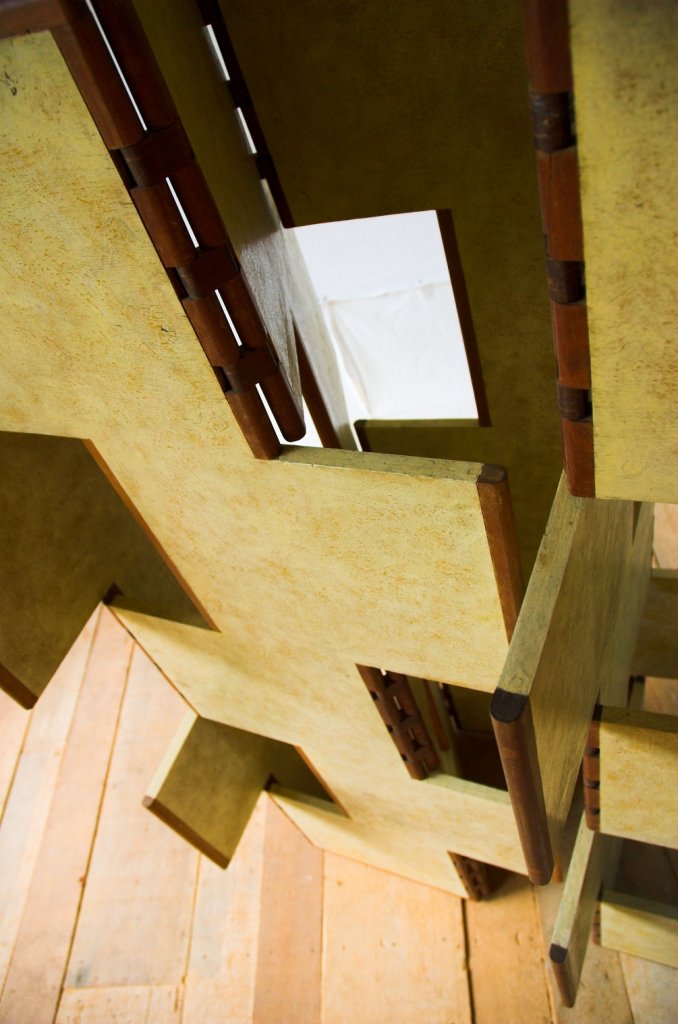
  • High angle detail of the hinges and interlocking panels of the mobile sculpture Macho.